
This article originally appeared in the Winter 2026 issue of the Gaynor Gazette.
Understanding how they learn helps children replace shame with confidence and resilience.
At Stephen Gaynor School, every day offers an opportunity to celebrate and support the 1 in 5 people in our country who have learning or attentional challenges. Our goal is to build understanding, strengthen confidence, and empower students who learn differently to become leaders in their own learning and beyond.
It has been more than 50 years since the landmark Rehabilitation Act of 1973, which guaranteed accommodations for all students with special needs. A decade earlier, Stephen Gaynor School was founded on the idea that with the right educational strategies, young students with learning differences could reach their full potential. For over six decades, we have been driven by the mission of our founders to individualize the curriculum based on a child’s strengths and growth needs. Every day at Gaynor, we see the brilliance and potential that exists in each of our students, and our community is intentional about cultivating the qualities that help them lead with empathy, confidence, and purpose.
“When students learn to speak with confidence about how they learn best, they begin to see their differences not as obstacles, but as strengths.”
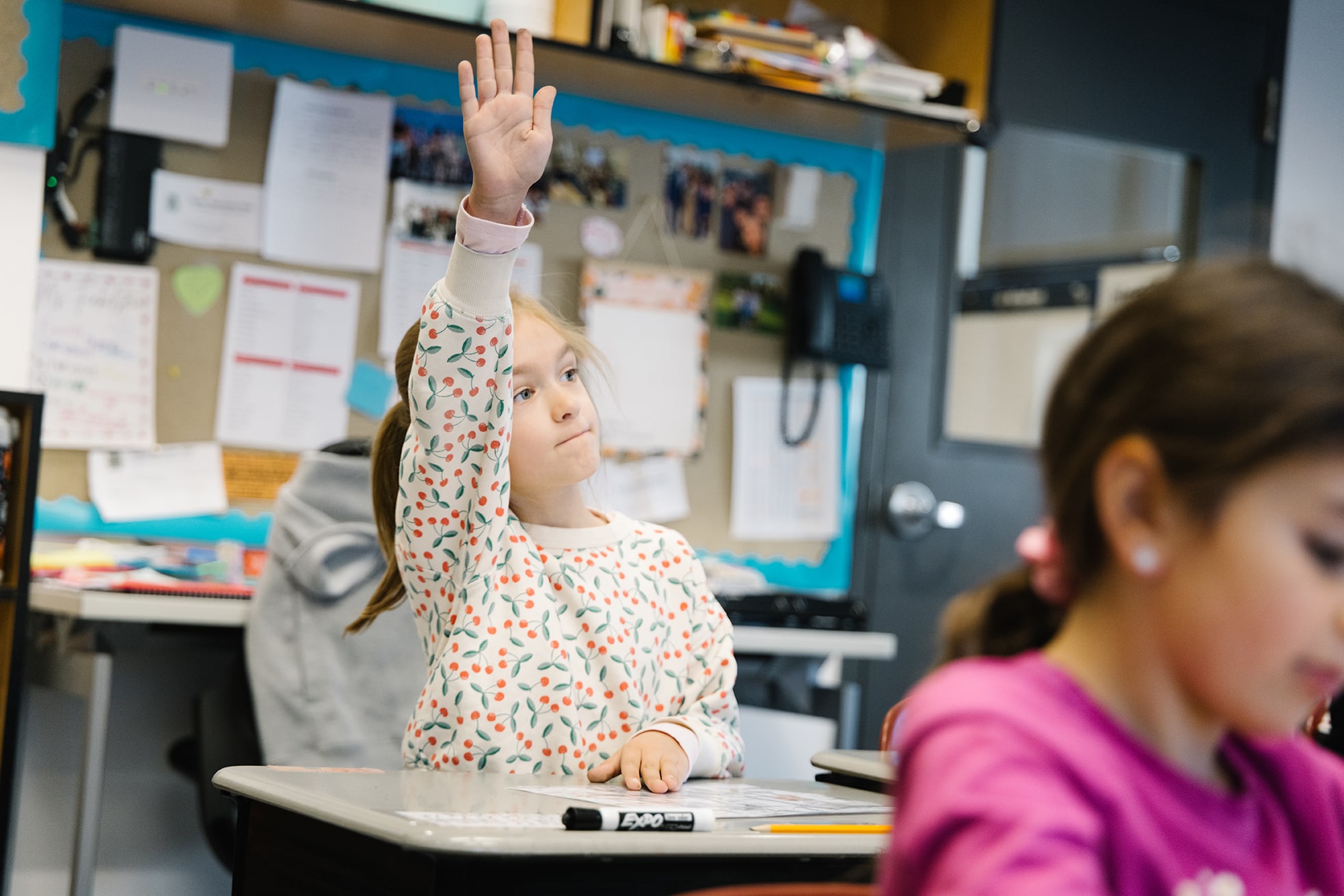
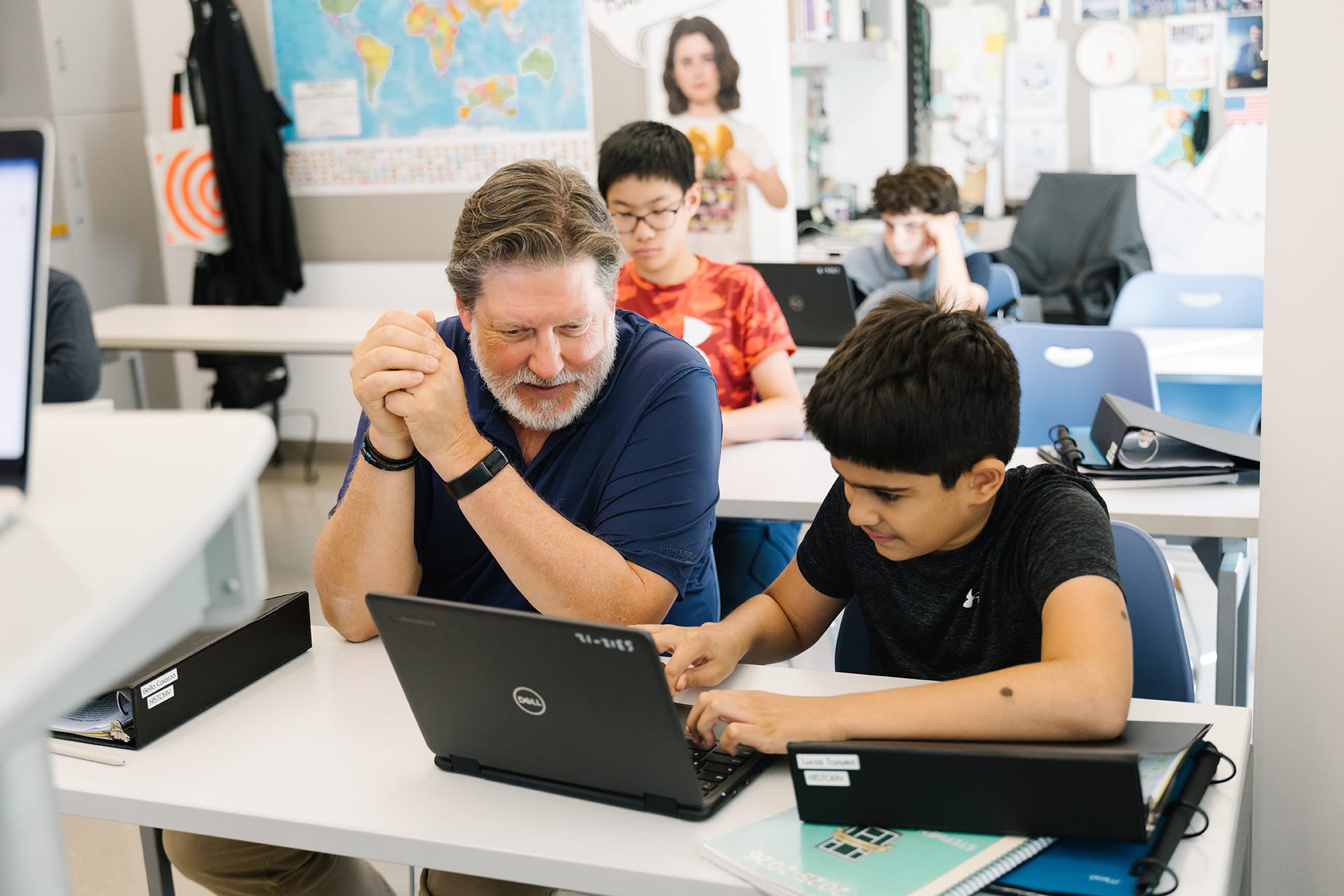
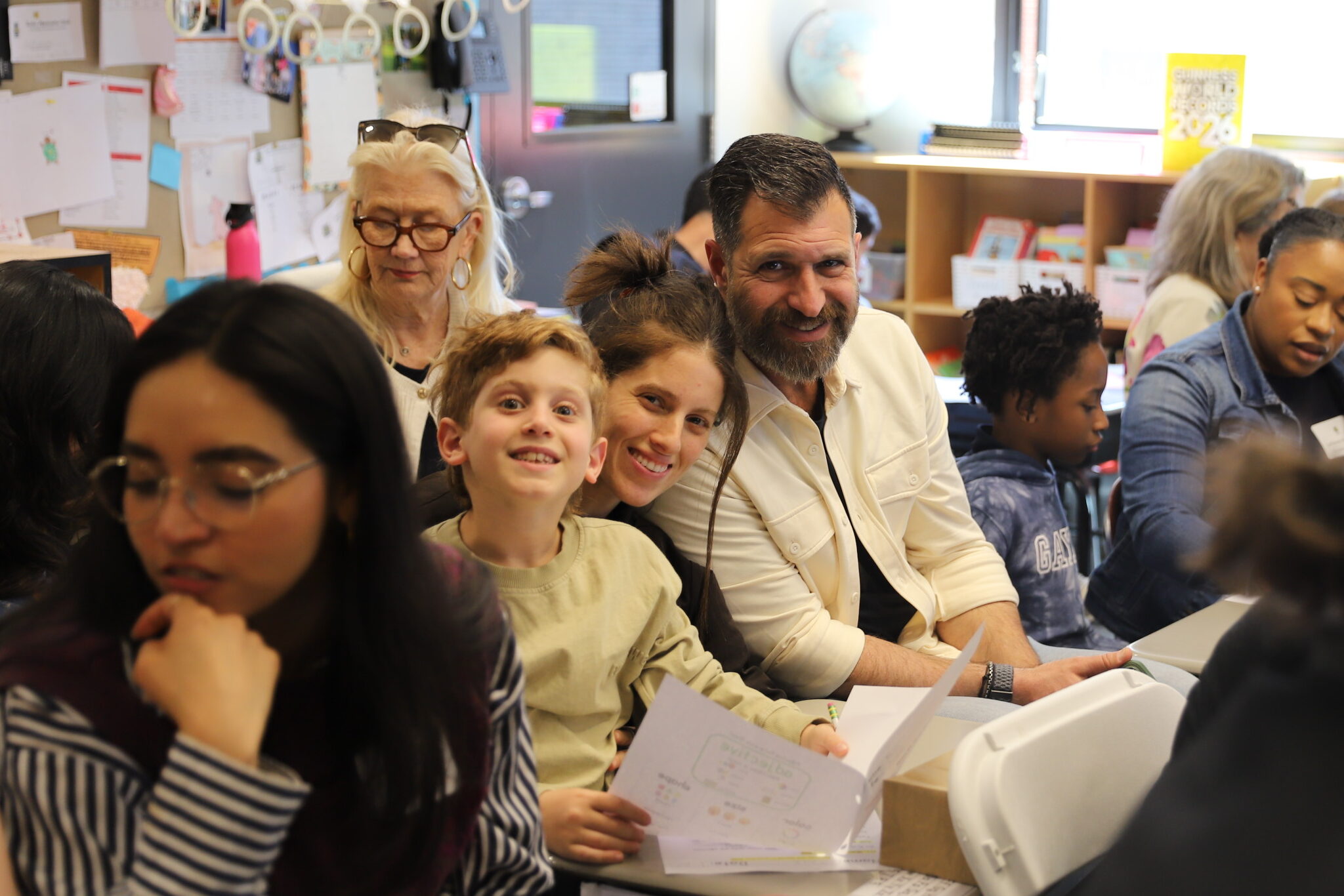
Advocating on behalf of our students is only part of our mission. We are equally committed to helping students advocate for themselves and for others, a critical life skill that prepares them far beyond the classroom. Self-advocacy is woven into daily life at Gaynor, from student council to homework accountability to classes specifically designed to help students understand their learning profiles. Students learn to recognize their strengths, identify the strategies that help them succeed, and develop the language to express what they need.
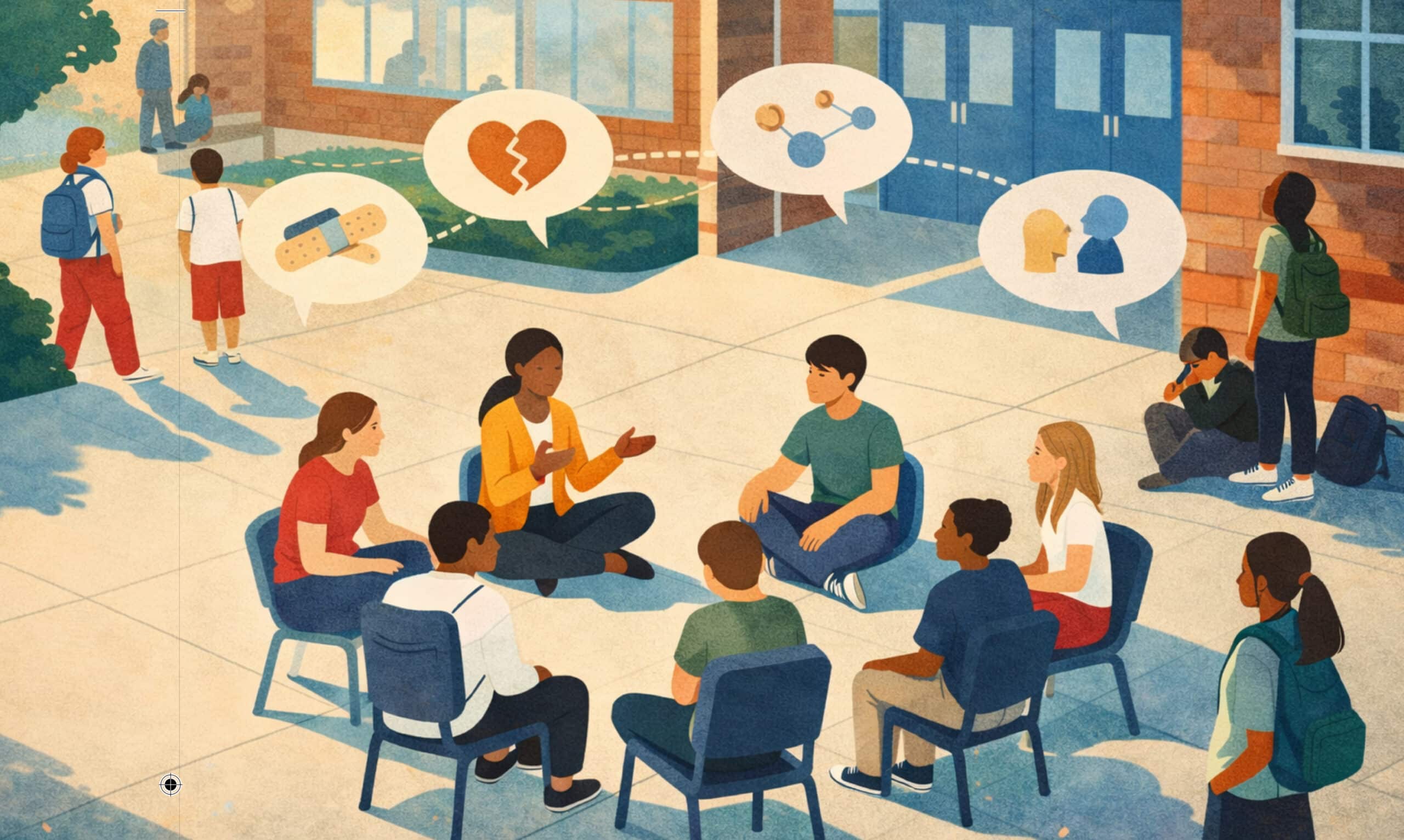
This work begins early. By helping students understand how they learn, we foster self awareness, self-acceptance, and resilience. These qualities allow students to approach challenges with confidence rather than fear. This reflects a growth mindset, the understanding that abilities develop over time through effort, persistence, and support. When students see themselves as capable learners, they become more willing to take risks, persevere through setbacks, and discover what they can achieve.
Research underscores the importance of this foundation. According to the National Center for Learning Disabilities, only 1 in 4 students with a learning difference tells their college they have a disability, and only 1 in 20 young adults with LD receive accommodations in the workplace. Teaching self-advocacy early helps students build confidence and independence, and contributes to a more inclusive society where differences are understood and valued.
“By helping students understand how they learn, we foster self-awareness, self-acceptance, and resilience.”
At Gaynor, we see the long-term impact of this work in the stories our students carry with them. In this issue, alumni reflect on how learning to understand themselves gave them the confidence to raise their hands, ask questions, and pursue opportunities they once thought were out of reach. Their experiences remind us that self-advocacy is not a single moment, but a skill developed over time through practice, encouragement, and trust.
Empowering students to know themselves as learners creates a foundation for leadership, connection, and growth. When students learn to speak with confidence about how they learn best, they begin to see their differences not as obstacles, but as strengths.