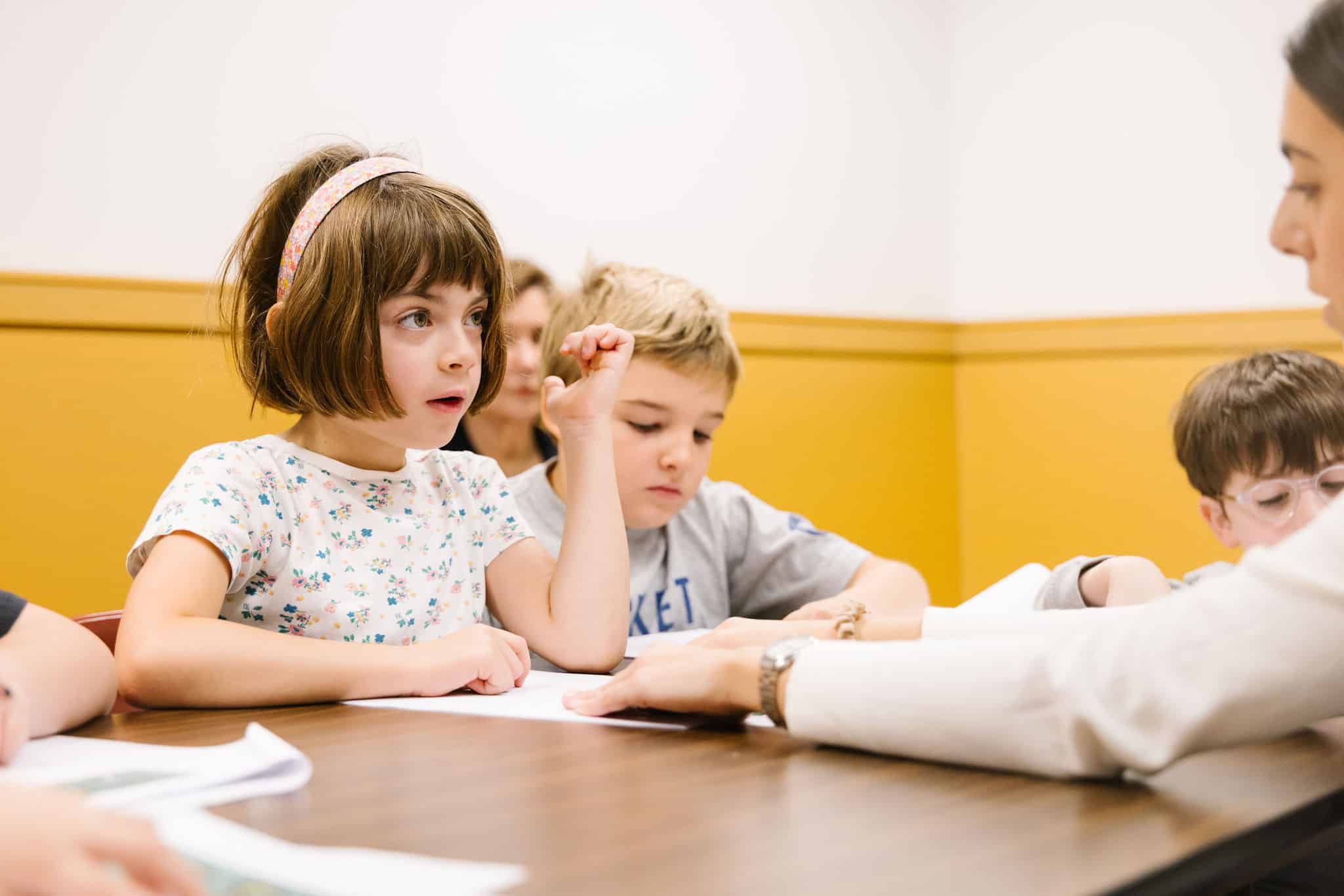
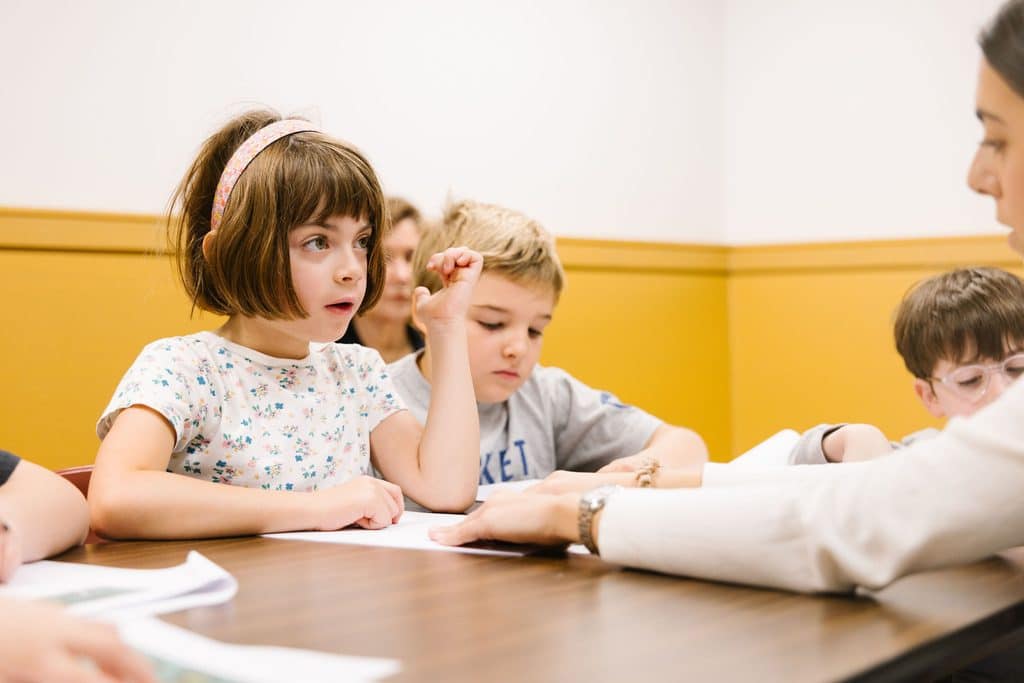
For young children who learn differently, the right support at the right time can shape far more than their ability to read. It can influence how confidently they participate in school and how they begin to understand themselves as learners.
That is why early intervention has long been central to the work of Stephen Gaynor School. When children with language-based learning differences receive specialized instruction early, educators can build skills, confidence, and strategies at a formative moment in their development.
Rebecca Jurow, Director of the Primary Division at Stephen Gaynor School, sees these early years as an especially important window. Young children’s brains have tremendous neuroplasticity, making this a critical time to establish pathways that support future learning.
“It is really about getting in and building a foundation that is strong for future learning,” Jurow said.
That foundation extends beyond academics to cognition, communication, motor development, and social skills. Reaching children early can also mean there is less to undo later if they have already developed approaches to learning that are not working for them.
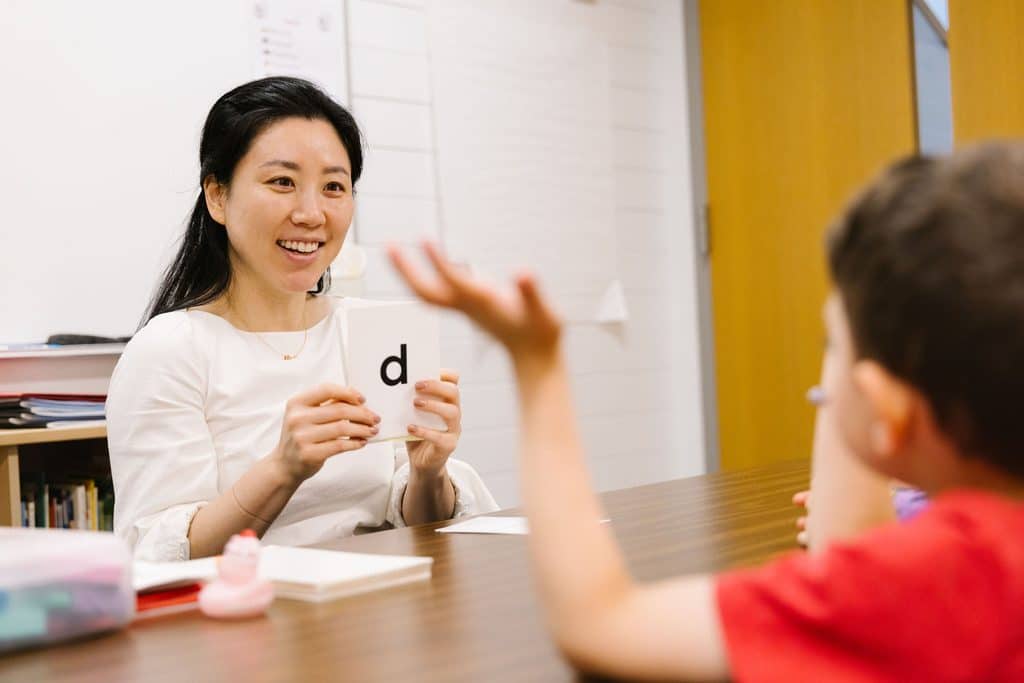
Young children develop at different rates, and an early learning challenge does not always present itself in an obvious way. A child may struggle to connect sounds with letters, follow directions, or express an idea they clearly understand. Sometimes the first indication may simply be frustration or reluctance to participate.
Language reaches into nearly every part of that experience. “Language is the foundation for so much of what children do in school,” said Jen Cohen, a speech-language pathologist at Stephen Gaynor School. “It impacts how they understand information, express themselves, interact with others, and early reading and writing skills.”
For families, knowing when a difference warrants additional support can be difficult. A child who is not talking as much as other children their age or has difficulty following directions may simply need more time. But Cohen cautions against relying too heavily on a “wait and see” approach when concerns persist.
“If there are concerns, I think it’s always worth looking into rather than waiting to see what happens,” Cohen said.
“The earlier we can identify a difficulty, the more opportunity we have to build the skills that will support a child as they move through school.”
Early intervention is not about defining a child by what they cannot do. It is about understanding how that child learns and providing support before repeated difficulty begins to shape their experience of school.
At Gaynor, instruction is individualized and multisensory, giving students multiple ways to practice and apply what they learn. For the school’s youngest students, Orton-Gillingham-based instruction builds literacy foundations through direct connections among sounds, letters, language, and meaning. A child learning a letter, for example, might see it, trace its formation in a tactile book, hear its sound, and connect it with a physical movement.
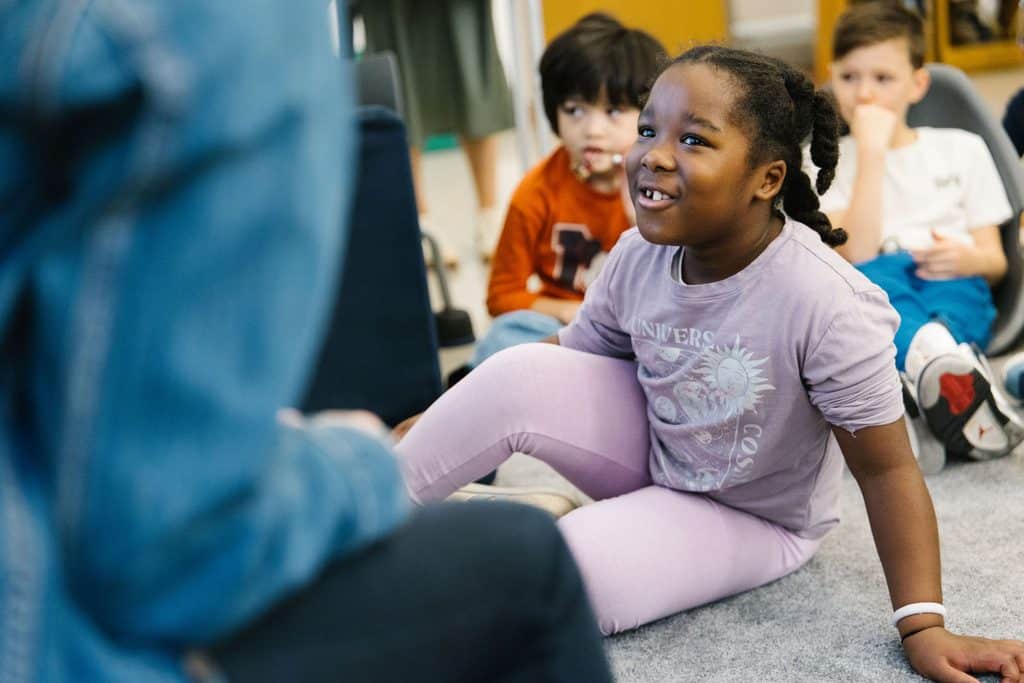
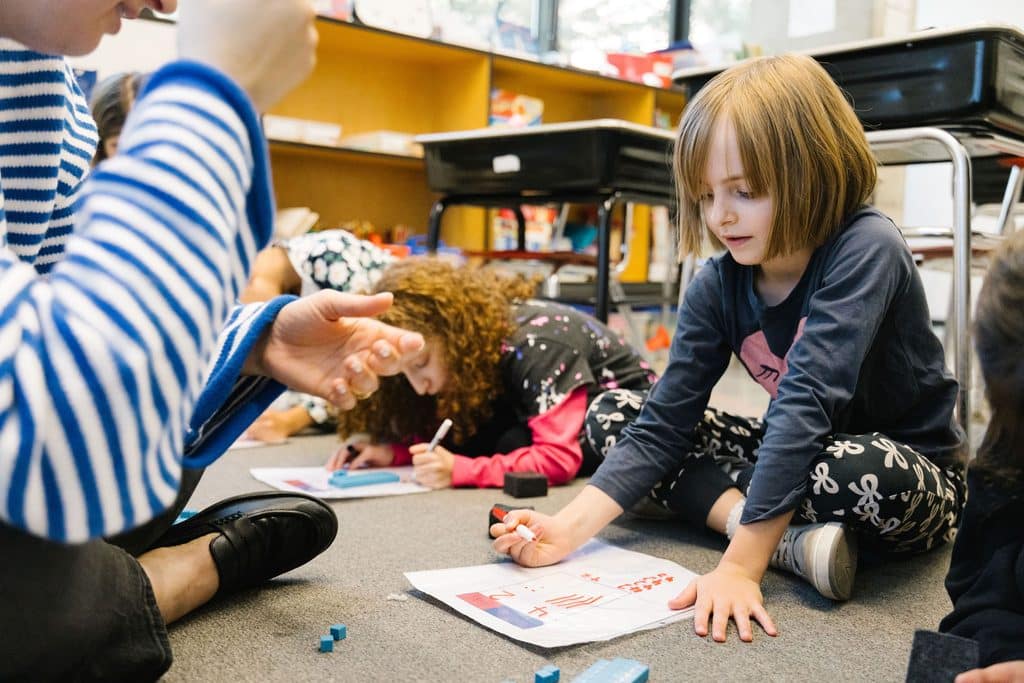
“Those multiple, multimodal neural pathways, we know, build the most solid foundation,” Jurow said.
The same philosophy applies to speech and language development. “At Gaynor, speech and language support is really woven into the school day,” Cohen said.
Rather than practicing a skill only in a one-on-one setting, students use those skills throughout their day. A speech-language pathologist might support a child greeting a friend, talking during snack, navigating play with classmates, or participating in a classroom read-aloud.
“We’re constantly looking for opportunities to practice their goals during everyday activities,” Cohen said. “The ultimate goal is for children to be able to use their language skills naturally, whether they’re participating in a lesson, talking with a classmate, or expressing what they need.” The impact of early intervention can be especially powerful because young children are still forming their identities as students.
Jurow remembers one pre-K student who arrived in her classroom after already spending considerable time in preschool. The child could identify just one letter and had little foundation in letter names or sounds.
“I was worried about her because she had no foundation,” Jurow recalled. With explicit foundational instruction and the right support, the student made significant progress. Several years later, she was able to leave Gaynor and transition to a mainstream school. “We built a good foundation,” Jurow said.
Success can also begin to change how children see themselves as learners. “Early intervention also helps avoid self-confidence issues,” Cohen said.
“We want children to feel successful, to feel understood, and to feel confident in their ability to learn.”
Families experience that change, too. Jurow often sees parents arrive at Gaynor anxious about whether their child will be understood and supported. Once they see progress and recognize how well teachers and specialists know their child, that anxiety often begins to ease.
By the first parent conference, “most parents relax, and they just trust us to know their child,” Jurow said.
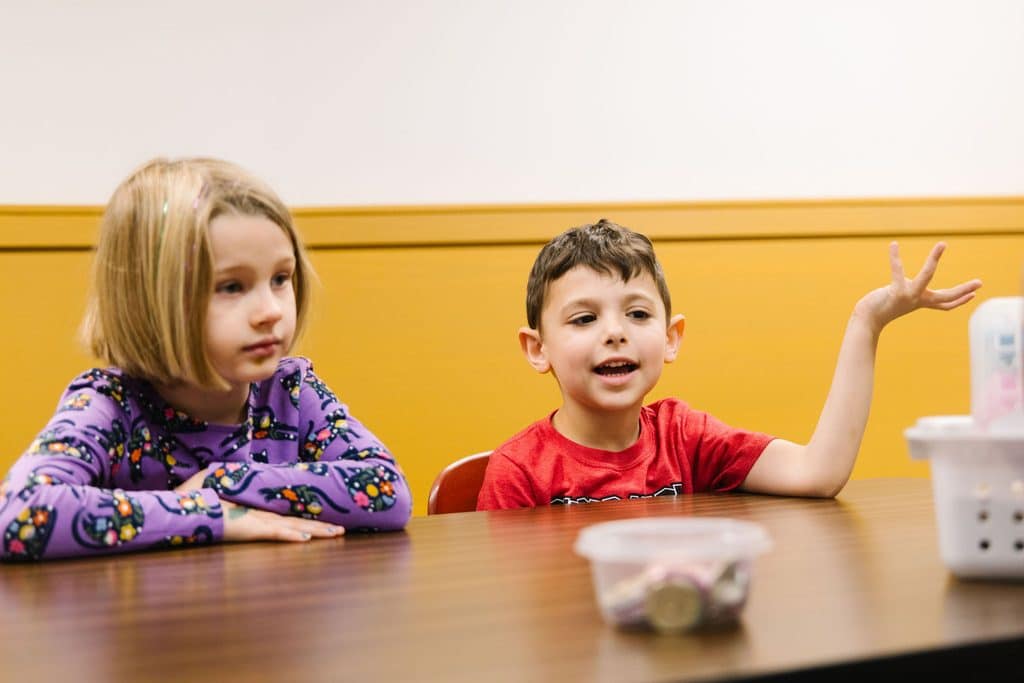
The importance of reaching children during these formative years is also a driving force behind Stephen Gaynor School’s plans to open the Brooklyn Early Childhood Center in fall 2028. The new center will bring Gaynor’s individualized, Orton-Gillingham-rooted approach to young children and families in Brooklyn, extending access to an educational model developed specifically for students with language-based learning differences.
For families beginning to notice that their child may be struggling, reaching the right educational environment earlier offers an opportunity to understand their child’s needs and provide support before difficulty becomes discouragement.
“We know firsthand how transformative early intervention and individualized learning can be,” said Head of School Dr. Scott Gaynor. “We watch our youngest students develop foundational confidence that carries them well beyond graduation.”
“Expanding to Brooklyn ensures we can bring that same transformative experience to even more families.”
The premise behind the Brooklyn ECC is ultimately the same one that guides Gaynor’s work with its youngest students today:
Children should not have to experience years of frustration before receiving instruction designed for the way they learn.
Early intervention cannot tell us exactly what a child’s educational journey will look like. But it can give that child stronger foundational skills, effective strategies, greater confidence, and adults who understand how to help them succeed.
And for a young child just beginning to discover what it means to be a learner, that can make all the difference.